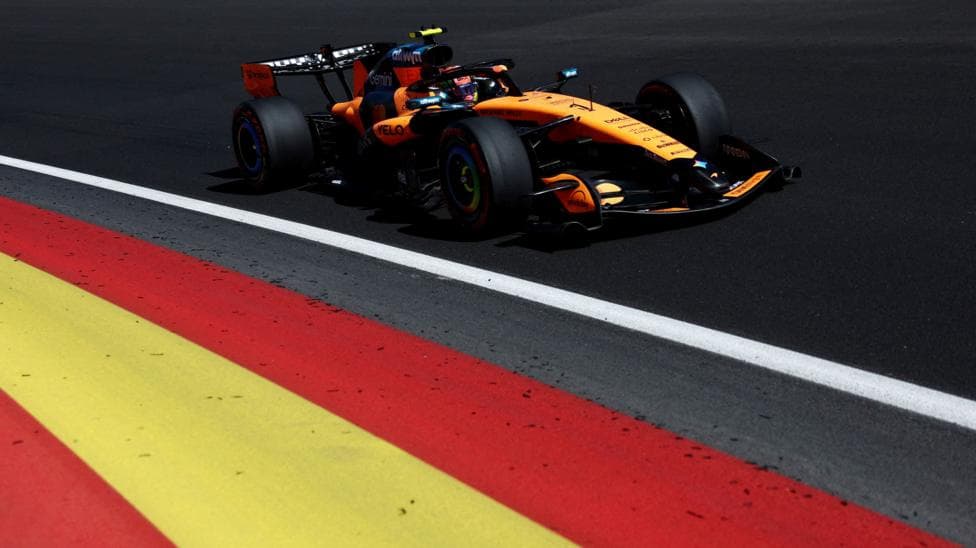
Breaking Down Spa's Thriller: Expert Analysis of a Wild Weekend

Three seasoned analysts pull apart the intense action from the Belgian Grand Prix, examining pivotal moments that shaped the final result. Their insights reveal the strategic decisions and on-track drama that made this race unmissable.
The Belgian Grand Prix delivered everything Formula 1 fans crave: unpredictable weather, tactical pit stop battles, and nerve-shredding finishes that kept viewers on the edge of their seats. In the aftermath of this riveting spectacle, three accomplished motorsport observers gathered to dissect what unfolded across the demanding Spa-Francorchamps circuit.
Harry, Sam, and Rebecca brought their considerable expertise to bear, examining how conditions evolved throughout the afternoon and the cascading consequences each shift in track state triggered. They highlighted critical moments where driver decisions and team strategies either paid dividends or backfired spectacularly. The trio didn't shy away from controversial calls made in the stewards' room, debating whether officials got their verdicts right when the racing got tight.
The analysts delved deep into tire management, exploring how different teams approached compound selection and degradation patterns. They praised standout performances from drivers who adapted quickest to changing circumstances, while also assessing where championship contenders may have left points on the table. Their technical breakdown revealed layers of strategy invisible to casual viewers—the small margins that ultimately separate winners from the rest of the field.
Weather proved the great equalizer throughout the weekend, throwing prepared strategies into chaos and creating opportunities for bold overtaking maneuvers. The panel examined how leading teams responded to these unpredictable elements and whether their responses demonstrated superior preparation or simply good fortune. They considered what lessons teams might extract heading into the remainder of the season.
Beyond pure racing analysis, the three commentators assessed the weekend's broader implications for the championship battle. They evaluated whether standings leaders strengthened their positions or if challengers clawed back ground through shrewd execution. The discussion extended to mid-field drama, acknowledging that multiple storylines unfolded simultaneously across the grid.
Their comprehensive breakdown serves as essential viewing for serious F1 enthusiasts seeking deeper understanding of how modern Grand Prix racing really works—the chess match between strategy and execution that transforms raw speed into championship points.