Clarke's Scotland tenure under scrutiny after World Cup disappointment
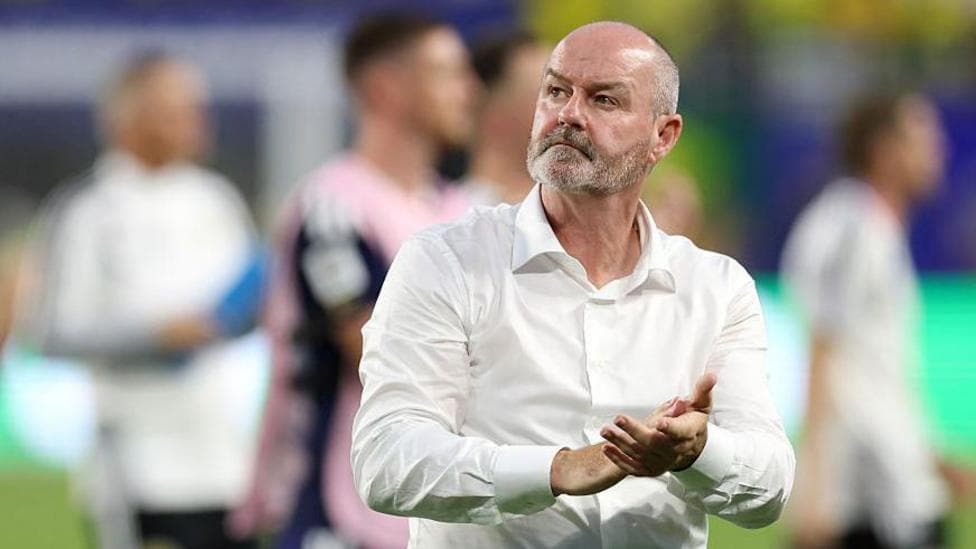
Scotland's premature exit from the 2026 World Cup has raised serious questions about Steve Clarke's tactical approach and squad management. The national team manager now faces mounting pressure to justify his selections and strategic decisions as the post-tournament analysis intensifies.
Scotland's World Cup dream came to an abrupt halt with a group-stage elimination, leaving supporters and analysts alike questioning whether Steve Clarke maximized the potential of his available talent. The early exit marks a significant setback for the national team and presents a critical juncture in the manager's tenure at Hampden Park.
Clarke's squad selection and in-game tactics throughout the tournament have become focal points for debate among football observers. Several key personnel decisions—both regarding who made the cut and how they were deployed—have drawn particular scrutiny in the aftermath of elimination. The gap between pre-tournament expectations and actual performances suggests either miscalculation in preparation or underutilization of available resources.
The financial and morale costs of this disappointment extend beyond the pitch. A World Cup campaign represents the pinnacle of international football, and failing to advance past the opening round impacts the organization's standing, sponsorship prospects, and player morale heading into qualifying cycles. For Clarke specifically, the results raise fundamental questions about whether his management approach remains suitable for the current squad's composition and capabilities.
Some analysts argue that Clarke deserves credit for assembling a competitive group, while others contend that his tactical framework failed to extract maximum value from the players at his disposal. The manager's decision-making in crucial matches—from team selection to in-game adjustments—will be dissected throughout the coming weeks as stakeholders determine the path forward.
Looking ahead, the Scottish Football Association faces a pivotal decision about Clarke's future. Retaining him requires confidence that improvements can be made, while a managerial change would signal a fundamental reset. Whatever direction leadership chooses, the 2026 campaign will be remembered as a missed opportunity that demanded answers about tactical vision and squad management.
The real measure of Clarke's tenure may ultimately depend on how Scotland responds to this setback. Can the manager implement meaningful changes and guide the team toward redemption, or has this early exit exposed limitations that suggest a fresh perspective is needed? These answers will emerge in the coming months as Scottish football looks toward the future.