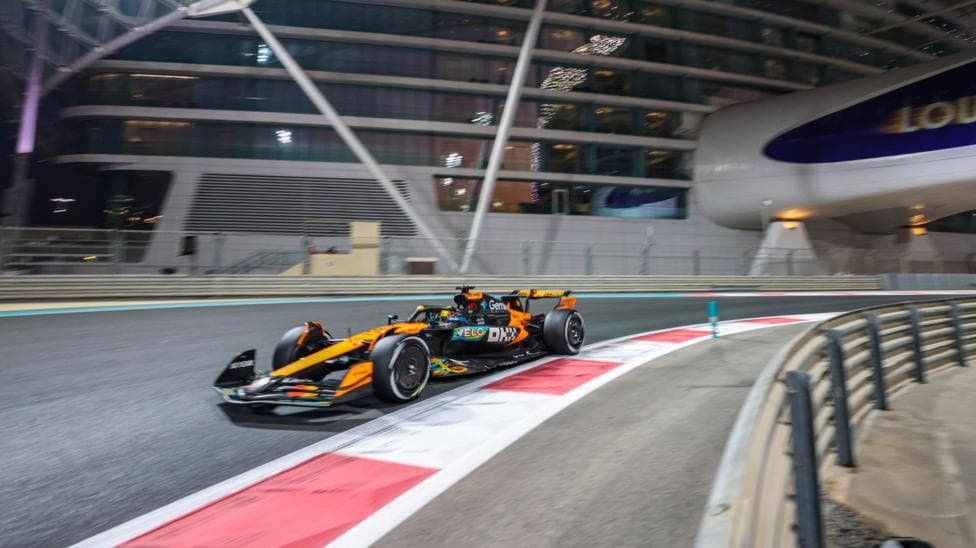
Decoding Hamilton's Penalty Streak: What's Really Going On?
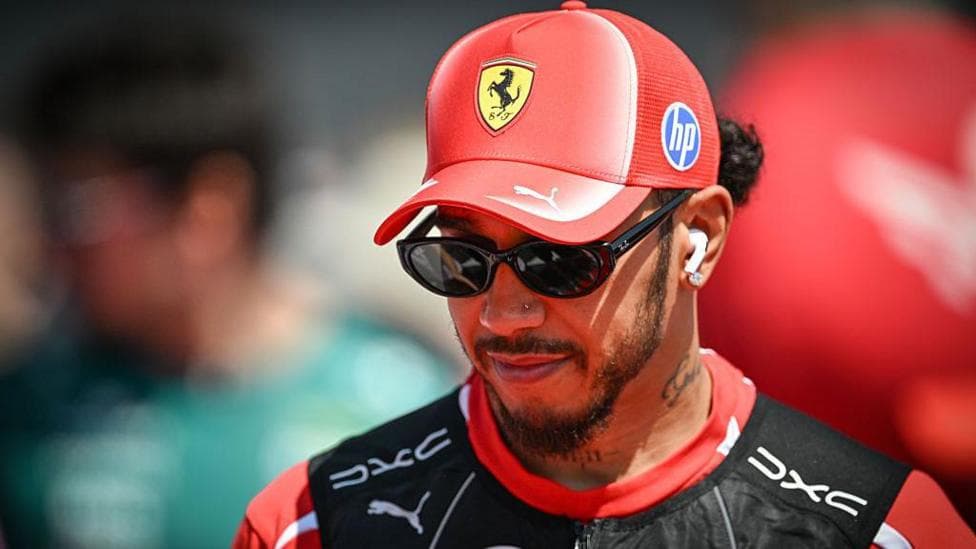
Following the Hungarian Grand Prix, we examine why Lewis Hamilton has found himself on the wrong side of the stewards more frequently this season. Expert analysis breaks down the controversial decisions and what they mean for the championship battle.
Lewis Hamilton's recent run-ins with race officials has become one of the most talked-about topics in Formula 1 this season. After another contentious decision at the Hungarian Grand Prix, fans and analysts alike are questioning whether the seven-time champion is facing unusually harsh scrutiny from the stewards, or if his driving style has genuinely crossed the line more often than usual.
The penalties stemming from the Budapest circuit have reignited debate about consistency in officiating across the grid. Hamilton's infractions have ranged from aggressive overtaking maneuvers to contested contact situations that might have been interpreted differently in previous seasons. This raises legitimate questions about whether rule enforcement has tightened, or whether Hamilton is simply pushing harder in competitive situations.
Examining the broader context reveals several contributing factors. The 2024 regulations introduced stricter guidelines regarding defensive driving and contact during overtake attempts. Additionally, the increased competitiveness of rival teams has meant Hamilton is involved in more wheel-to-wheel battles, naturally creating more opportunities for potential infractions. When a driver is constantly fighting for position, the statistical likelihood of penalty-worthy incidents increases proportionally.
Another crucial element involves the subjective nature of steward decisions. Racing incidents that occur at high speeds require split-second judgment calls from officials reviewing footage. What appears as an aggressive but acceptable move from one angle might look like a clear violation from another perspective. This inherent gray area means that identical incidents can be penalized differently depending on which stewards are on duty and how they interpret the rulebook.
Moving forward, clarity from the FIA regarding penalty thresholds would benefit all competitors. Hamilton, like every driver on the grid, needs consistent parameters to understand where the boundaries lie between acceptable racing and sanctionable conduct. Whether his penalty tally represents a genuine change in his driving approach or reflects evolving officiating standards remains an open question that impacts not just Hamilton's championship hopes, but the sport's credibility as a whole.