F1 May Relocate 2026 Season Finale to Europe Amid Middle East Tensions
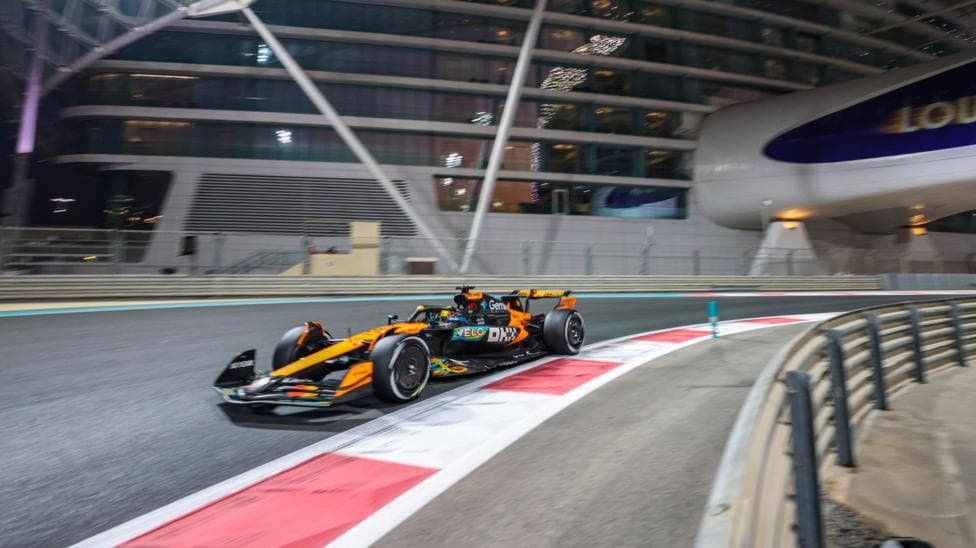
Formula 1's top executive has indicated the championship could conclude on European soil if geopolitical instability forces the cancellation of races scheduled for Qatar and Abu Dhabi. The contingency plan highlights the sport's vulnerability to global events beyond its control.
Formula 1 president Stefano Domenicali has revealed a backup strategy for the 2026 season, signaling that Europe could host the championship's final races if the ongoing Middle East conflict prevents the circuit from visiting Qatar and Abu Dhabi as originally planned.
The FIA and F1 have long established Qatar and Abu Dhabi as crucial fixtures on the calendar, with the latter traditionally hosting the season-closing Grand Prix. However, the deteriorating security situation in the region has forced motorsport's governing bodies to explore alternative venues to ensure the championship can be completed without interruption.
Speaking on the matter, Domenicali acknowledged the unprecedented nature of the situation while emphasizing F1's commitment to delivering a full season regardless of external circumstances. "We have contingencies in place," the Italian executive stated, underscoring the sport's logistical flexibility in an increasingly unpredictable global landscape. The revelation comes as F1 continues to navigate complex geopolitical challenges that threaten its ambitious global expansion strategy.
This contingency plan represents a significant shift for the sport, which has invested heavily in Middle Eastern markets over the past decade. Abu Dhabi's iconic Yas Marina Circuit has anchored the calendar finale since 2009, becoming synonymous with dramatic title-deciding moments. A potential relocation would mark a watershed moment for F1's regional presence.
European venues capable of hosting championship-deciding races include established circuits in countries like Italy, Spain, and Germany, all of which have hosted memorable grands prix throughout F1 history. Such a scenario would require substantial logistical coordination and vendor rearrangement, yet F1 has demonstrated its capacity to adapt rapidly when necessary—lessons learned from pandemic-era disruptions.
While Domenicali did not specify which European circuit might serve as a replacement, his comments underscore how global instability increasingly influences professional sports planning. The situation remains fluid, with officials monitoring developments closely and hoping the security landscape improves before 2026. For now, F1 is preparing for all possibilities while maintaining its commitment to a complete, uninterrupted championship season.