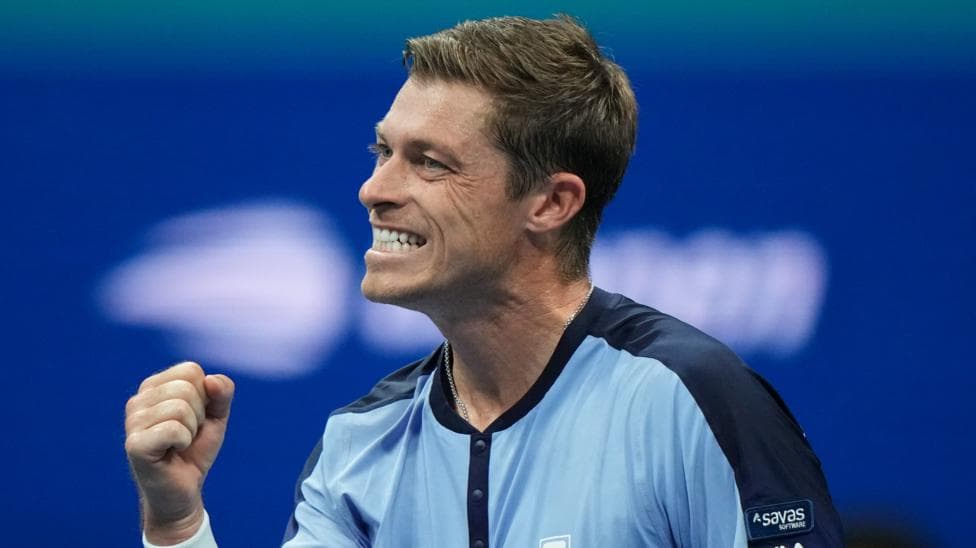
How Jannik Sinner Became Tennis's Dominant Force

The Italian sensation has cemented himself as the sport's premier player through a combination of elite coaching, personal resilience, and formative influences that molded his competitive character. From his roots in northern Italy to the brightest stages of professional tennis, Sinner's ascent reveals the blueprint of modern tennis excellence.
Jannik Sinner stands atop the tennis world, a position earned through years of deliberate development and unwavering commitment to his craft. The 23-year-old Italian has transcended typical player trajectory, establishing himself not merely as a contender but as the sport's most consistent force. Understanding his meteoric rise requires examining the people and places that collectively forged one of tennis's most formidable competitors.
Sinner's foundation was built in the Alpine foothills of South Tyrol, where childhood tennis lessons planted seeds that would eventually flourish on grass courts and clay. The region's emphasis on discipline and methodical development proved instrumental in shaping his approach to the sport. Early mentorship from local coaches recognized his potential and channeled raw talent into technical proficiency, establishing habits of precision that remain hallmarks of his game today.
The influence of his coaching team cannot be overstated. Working alongside renowned strategists who understand the modern game's tactical complexities, Sinner has transformed into a multidimensional threat. His willingness to evolve, absorb instruction, and refine his arsenal demonstrates mental flexibility that separates champions from merely talented players. This collaborative approach—combining physical prowess with analytical rigor—has become his competitive signature.
Personal relationships have equally shaped his character. Family support provided stability during the demanding junior circuit years when many prospects falter under pressure. This emotional foundation allowed Sinner to maintain perspective, viewing setbacks as learning opportunities rather than defining moments. Such psychological resilience separates those who sustain excellence from those who achieve it fleetingly.
His journey also reflects tennis's global evolution. Sinner represents a new generation of players who synthesize traditional European technical foundations with modern athletic science and data-driven training methodologies. He competes with the aggressive intention of North American and Australian players while maintaining the precision associated with continental traditions.
Today, Sinner's dominance appears not as accident but inevitable consequence of systematic development. The places that nurtured him—training facilities and tournament venues across Europe—and the people who guided him have created an athlete operating at tennis's highest plateau. His continued ascendancy suggests these influences have not merely shaped a champion, but established a template for sustainable excellence in professional tennis.