Infantino Calls for Outside Scrutiny of FIFA's Leadership Structure
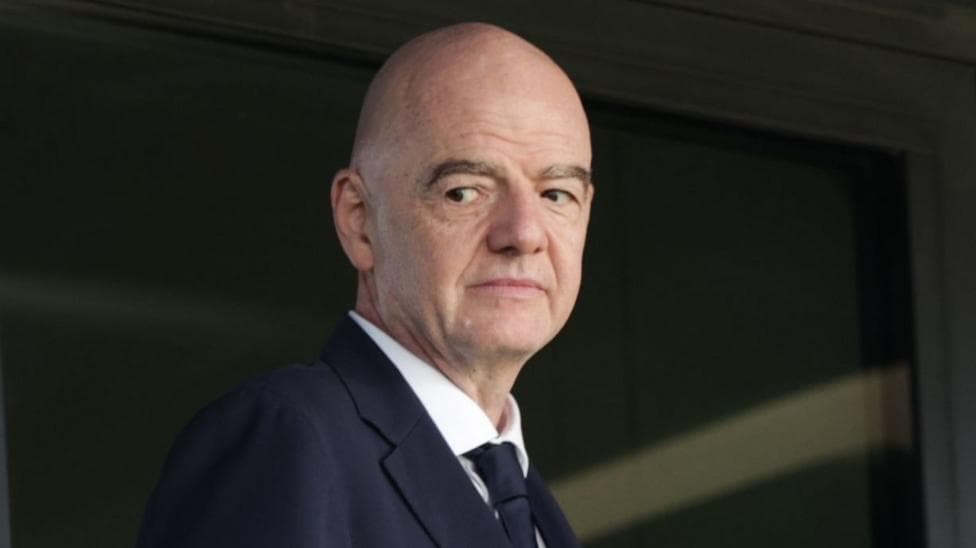
FIFA's chief executive has announced plans to bring in independent auditors to examine how the international football organization operates at the highest levels. The move signals a push toward greater transparency in the sport's global governing body.
In a significant development for international football administration, FIFA President Gianni Infantino has unveiled a proposal to commission an independent assessment of the organization's internal governance framework. The announcement represents a notable shift toward inviting external oversight of decision-making processes at the world's most prominent sports governing body.
Infantino's proposal centers on engaging third-party experts to conduct a comprehensive review of FIFA's operational policies, institutional structure, and leadership accountability measures. Such an initiative would mark a departure from the organization's historically insular approach to self-regulation, potentially addressing longstanding concerns about transparency and governance standards within global football's administrative hierarchy.
The timing of this announcement comes as FIFA continues to navigate its public image following years of corruption scandals and institutional reforms. By proactively inviting external review, the organization appears intent on demonstrating commitment to improved standards and rebuilding trust among stakeholders—including national football federations, leagues, and the broader sporting community.
While specific details regarding the scope and timeline of the proposed external review remain limited, the initiative signals recognition that independent evaluation could strengthen FIFA's credibility and operational effectiveness. Independent governance assessments have become increasingly common among major international organizations seeking to modernize their administrative practices and meet evolving expectations for organizational accountability.
The proposal is likely to face varying reactions from different factions within international football. Supporters view it as an essential step toward genuine institutional reform, while others may scrutinize whether external review proves sufficiently rigorous or results in meaningful structural changes. The coming months will prove critical as FIFA details the methodology and parameters for any independent evaluation.
As the organization continues its broader modernization efforts, Infantino's governance review proposal represents another chapter in FIFA's ongoing journey toward institutional renewal. The true measure of success will ultimately depend on the independence of the reviewers selected and the extent to which their findings translate into substantive operational improvements within football's most powerful governing body.