Koval Transfers to Baylor Over Russian Player Signing
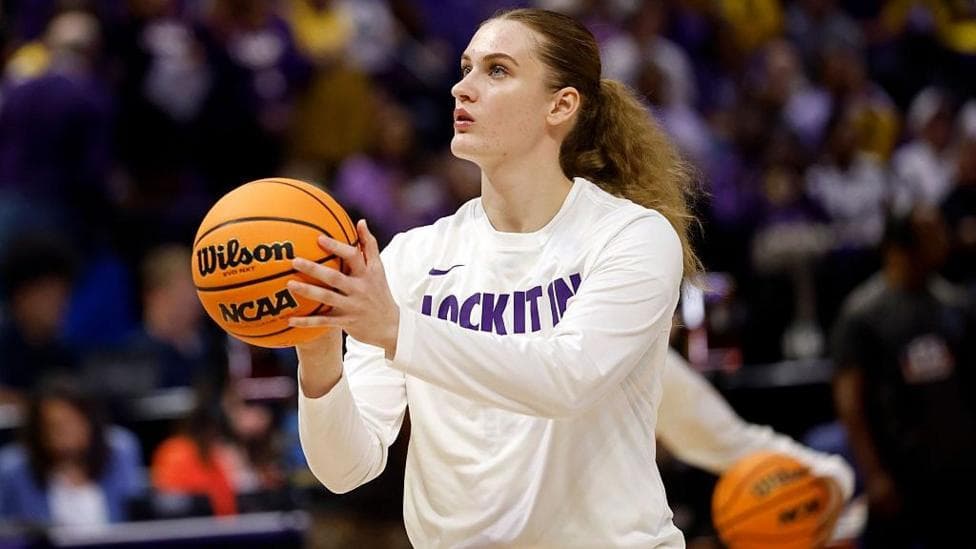
Ukrainian guard Kate Koval has secured NCAA clearance to transfer to Baylor University after departing LSU due to concerns over the program's recruitment of a Russian athlete. The move highlights the ongoing tensions between Ukrainian and Russian players in American college sports.
Ukrainian basketball standout Kate Koval has been approved for immediate eligibility at Baylor University, completing her departure from Louisiana State University. The guard cited the school's signing of a Russian player as the catalyst for her exit, marking a rare instance where geopolitical tensions directly influenced a college athletics transfer decision.
Koval's decision underscores the broader complications facing international athletes in American college sports, particularly those from nations experiencing direct conflict with Russia. Her situation reflects the personal and political complexities that student-athletes must navigate beyond the court, where national identity and athletic opportunity intersect.
The transfer waiver granted by the NCAA allows Koval to compete for the Bears immediately rather than sitting out the standard one-year waiting period. This expedited approval suggests the governing body recognized extenuating circumstances that justified the exception to transfer rules.
Baylor's acquisition of Koval bolsters their roster with a skilled international prospect, while LSU faces questions about how international recruitment decisions affect team cohesion and roster dynamics. The incident serves as a reminder that coaching staff must consider not only athletic talent but also the human element of team composition, particularly when athletes carry deep national and personal connections to ongoing global conflicts.
For Koval, the transfer represents an opportunity to continue her collegiate career in an environment that aligns with her values. The move demonstrates that student-athletes increasingly exercise agency in selecting programs that reflect their principles, not simply athletic prestige or playing time.
As Russian athletes continue seeking opportunities in American colleges despite sanctions and diplomatic tensions, universities will likely face similar situations. Koval's case may establish a precedent for how institutions balance international recruitment, team chemistry, and the personal convictions of their athletes moving forward.