Norris Demands Suspension for Colapinto Over Baku Restart Incident
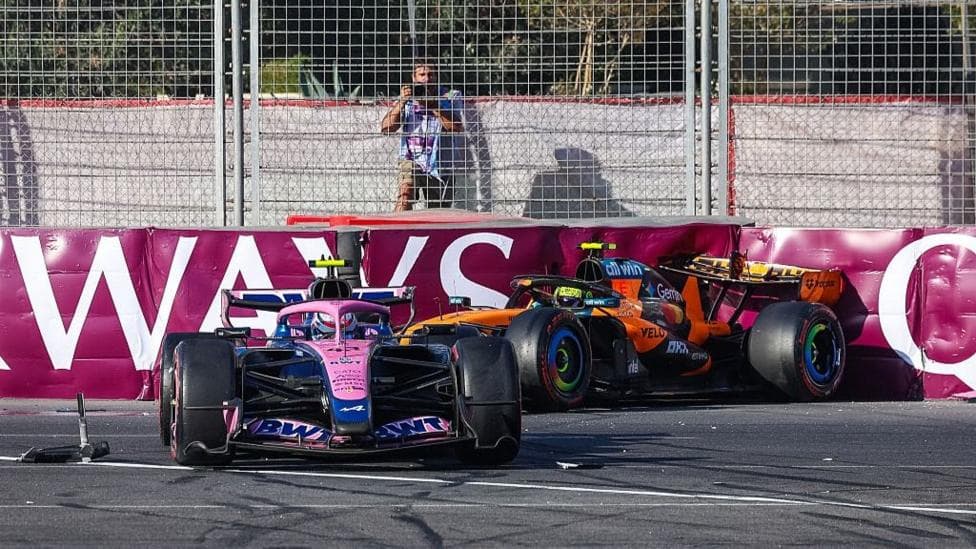
Championship leader Lando Norris has called for disciplinary action against Franco Colapinto following a collision during a restart sequence at the Azerbaijan Grand Prix. The Alpine driver's aggressive maneuver has sparked debate about racing conduct and safety protocols in Formula 1.
Lando Norris has escalated tensions in the championship battle by publicly demanding that stewards take decisive action against Franco Colapinto for his role in a restart collision at the Azerbaijan Grand Prix. The reigning world champion believes the incident warrants a race ban, citing safety concerns and what he views as reckless driving behavior on a notoriously challenging circuit.
The accident occurred during a critical restart phase at Baku's street circuit, where precision and discipline are paramount. Colapinto's move resulted in contact that affected multiple drivers and raised questions about the Alpine rookie's judgment in high-pressure situations. Norris, who was directly impacted by the incident, did not mince words in his assessment of the young driver's actions.
The call for suspension reflects growing frustrations among elite drivers regarding consistency in penalty enforcement. Norris argues that permitting such incidents to go unpunished—or with minimal consequences—sends the wrong message to competitors and undermines the sport's safety standards. His position highlights the ongoing debate within Formula 1 about where officials should draw the line between aggressive racing and dangerous driving.
Colapinto, making waves as a relative newcomer to the grid, has been under scrutiny for his occasionally overeager approach to racing. While some have praised his aggressive mindset as bringing fresh energy to Formula 1, critics contend that driving standards cannot be compromised for entertainment value. The incident at Baku will likely intensify that conversation heading into the sport's final races.
FIA stewards will review the incident and determine appropriate penalties under Formula 1 regulations. Norris's public intervention adds another layer to the discussion, though drivers have traditionally left disciplinary matters to officials rather than advocating for specific punishments. The outcome could have significant implications for both the championship battle and the precedent it sets for future contact-related incidents.