Norway Demands Infantino Step Down Amid World Cup Stake Controversy
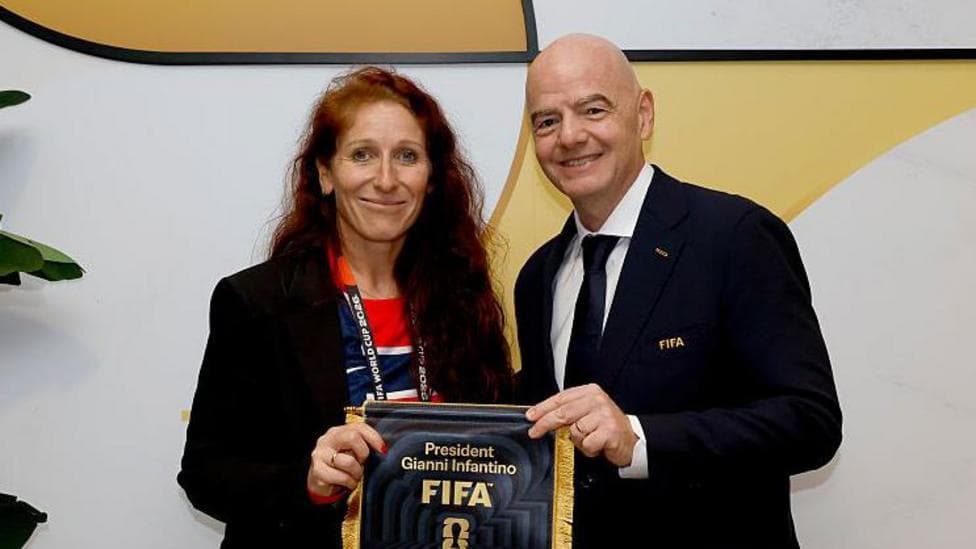
Norway's football governing body has called for FIFA president Gianni Infantino to resign following an attempt to monetize World Cup ownership stakes. The move puts Oslo at odds with Mexico and South American confederation leaders, who have voiced their continued support for the embattled executive.
The Norwegian Football Federation has intensified pressure on FIFA president Gianni Infantino, formally requesting his resignation in the wake of a controversial proposal to sell equity positions in the World Cup tournament. The Scandinavian nation's bold stance marks a significant escalation in the ongoing governance debate surrounding international football's highest office.
The crux of the dispute centers on Infantino's attempt to commercialize World Cup ownership through partial stake sales—a move that has sparked considerable debate within the global football community. Norway's federation views the initiative as fundamentally at odds with the tournament's traditional governance structure and the interests of member nations.
However, Infantino has found staunch allies among other major footballing powers. Both the Mexican Football Federation and CONMEBOL, South America's continental confederation, have publicly backed the FIFA president, signaling that opposition to his leadership remains fragmented. Their endorsement suggests that regional interests and existing relationships continue to shape the political landscape at FIFA's highest levels.
This divide underscores the complex dynamics within world football's governing bodies, where developed European federations and emerging football powers often clash over administrative direction and financial distribution. Norway's call for Infantino's departure represents one of the most direct challenges to his authority in recent months, yet the backing from Mexico and South America demonstrates his continued ability to maintain support among influential stakeholders.
The controversy reflects broader tensions within FIFA regarding the organization's financial structure, commercial strategy, and decision-making processes. As the debate continues, the organization faces mounting scrutiny from multiple directions—critics questioning the appropriateness of monetizing the World Cup, while supporters argue such innovations are necessary for football's financial evolution.
The outcome of this power struggle remains uncertain, with Infantino's position ultimately dependent on the collective will of FIFA's membership. For now, the opposing views from different continental federations suggest the matter will likely dominate discussions at upcoming FIFA congresses and council meetings, shaping the future direction of international football governance.