Osaka's Kimono Tribute: Blending Tradition with Wimbledon's Strict Dress Code
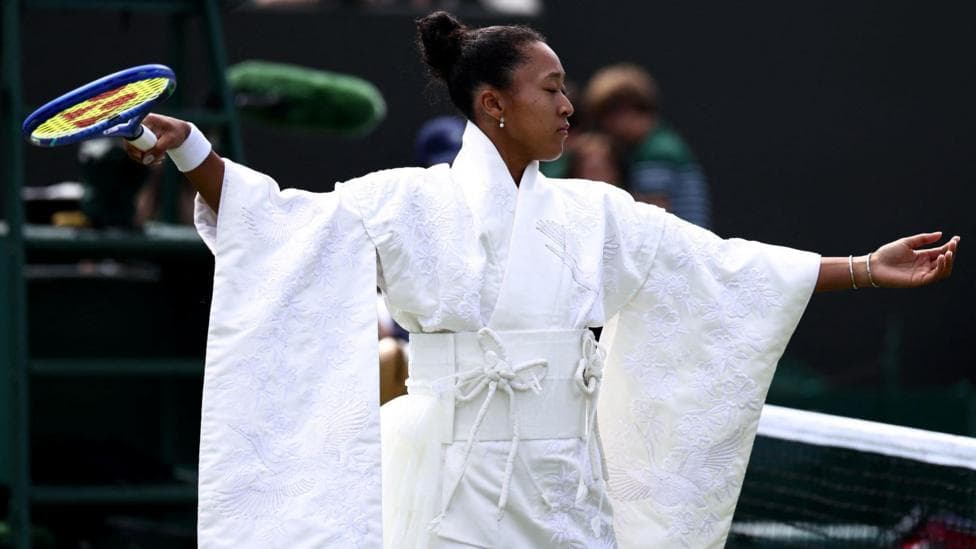
Tennis star Naomi Osaka found a creative way to honor her Japanese heritage while adhering to the All England Club's stringent all-white uniform requirements. The fashion-forward athlete's latest ensemble demonstrates how athletes can celebrate their cultural identity within competitive constraints.
Naomi Osaka has built a reputation as one of professional tennis's most fashion-conscious competitors, consistently turning heads with her bold and distinctive court apparel. However, when preparing for Wimbledon—a tournament famous for enforcing one of sports' most rigid dress codes—the Japanese champion faced a unique challenge: how to express her cultural pride while respecting the venue's all-white mandate.
The solution came through thoughtful design collaboration that seamlessly merged traditional Japanese aesthetics with the grass court's formal requirements. By incorporating kimono-inspired elements into her predominantly white ensemble, Osaka managed to create an outfit that paid homage to her heritage without violating tournament regulations. The result showcased her commitment to representing her background with dignity and creativity.
For years, Osaka has used her platform to make fashion statements that extend beyond mere athletic performance. Her outfits have consistently sparked conversations, with each design choice reflecting her personality and values. This latest creation represents another chapter in her evolving relationship with sports fashion—proving that athletes need not choose between honoring their roots and competing at the sport's most traditional venues.
The All England Club's all-white dress code, dating back generations, has long been considered one of professional tennis's most defining characteristics. Yet athletes like Osaka continue to find innovative ways to inject personality into their uniforms, working within established boundaries while pushing creative limits. Her approach demonstrates how respect for tradition and individual expression can coexist harmoniously.
Osaka's sartorial choices have increasingly become a talking point in tennis circles, with fans and commentators alike anticipating each tournament appearance. Whether through color coordination, design partnerships, or cultural references, she has elevated on-court fashion to an art form. Her Wimbledon kimono-inspired outfit stands as another testament to her ability to balance competitive excellence with meaningful self-expression.
As professional sports continue evolving, athletes like Osaka remind us that uniforms and dress codes need not restrict authentic cultural celebration. Her willingness to navigate complex institutional requirements while staying true to her identity offers a blueprint for other competitors seeking similar balance.