Raducanu Seeks Guidance From Agassi's Blueprint for Tennis Greatness
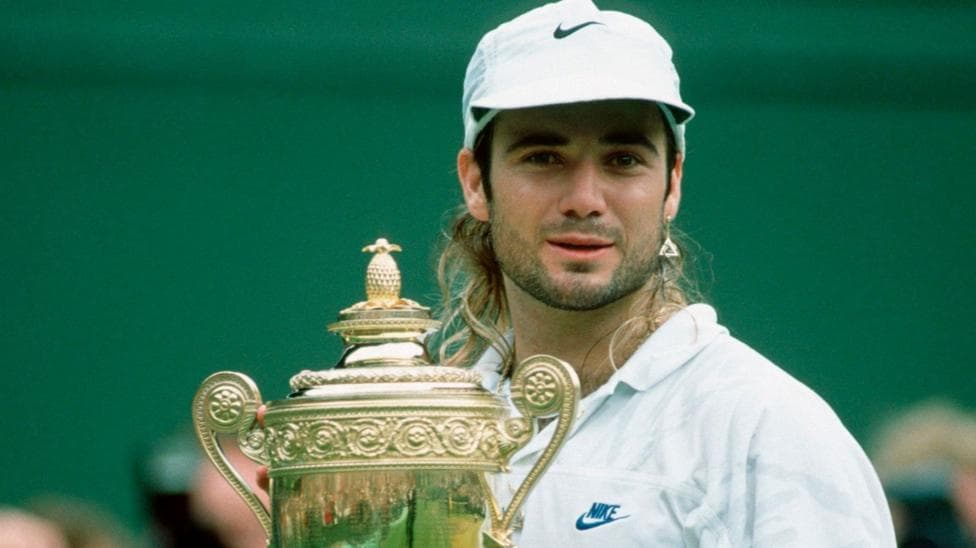
Emma Raducanu is drawing lessons from Andre Agassi's candid memoir as she charts her comeback to tennis's upper echelon. The British star is embracing Agassi's philosophy of self-acceptance as a cornerstone of her path forward.
Emma Raducanu continues her ambitious rehabilitation campaign with an unexpected source of inspiration: the life lessons contained within Andre Agassi's revealing 2009 autobiography. As the talented Briton works to reclaim her position among tennis's elite competitors, she has found particular resonance in Agassi's core message about the importance of embracing one's true self.
The 21-year-old has faced considerable obstacles during her professional journey, including injuries and the immense pressure that followed her breakthrough 2021 US Open triumph. Rather than pursuing a rigid path dictated by external expectations, Raducanu appears to be adopting Agassi's wisdom: the necessity of finding comfort and confidence in one's authentic identity. This approach marks a potential philosophical shift in how the young champion approaches her recovery and competitive comeback.
Agassi's autobiography, which candidly explores his struggles with the sport, family dynamics, and his eventual acceptance of himself as a player, has resonated with numerous athletes navigating their own turbulent careers. The legendary American's journey from reluctant prodigy to self-determined champion offers a compelling blueprint for someone in Raducanu's position—talented yet searching for genuine direction and purpose.
For Raducanu, this mindset adjustment could prove transformative. Rather than forcing herself into predetermined molds or succumbing to outside pressure, she is learning to align her competitive pursuits with her core values and personality. This balance between ambition and authenticity may be precisely what the young star needs as she works her way back to peak fitness and performance levels.
Raducanu's willingness to seek guidance from Agassi's experiences demonstrates a maturity beyond her years. Many emerging athletes struggle to distinguish between external expectations and internal motivation, but her openness to learning from established figures suggests she understands this crucial distinction. As she continues her rehabilitation, this philosophical foundation could prove just as important as her physical training regimen.
The road back to tennis prominence is rarely straightforward, particularly for players managing injuries and mounting expectations. However, by grounding her comeback in principles of self-acceptance and authentic identity—values at the heart of Agassi's message—Raducanu may have found the mental framework necessary to rebuild her career on her own terms. Her journey from here will be worth watching closely.