Red Bull Pivots Wing Design After Verstappen's Back-to-Back Incidents
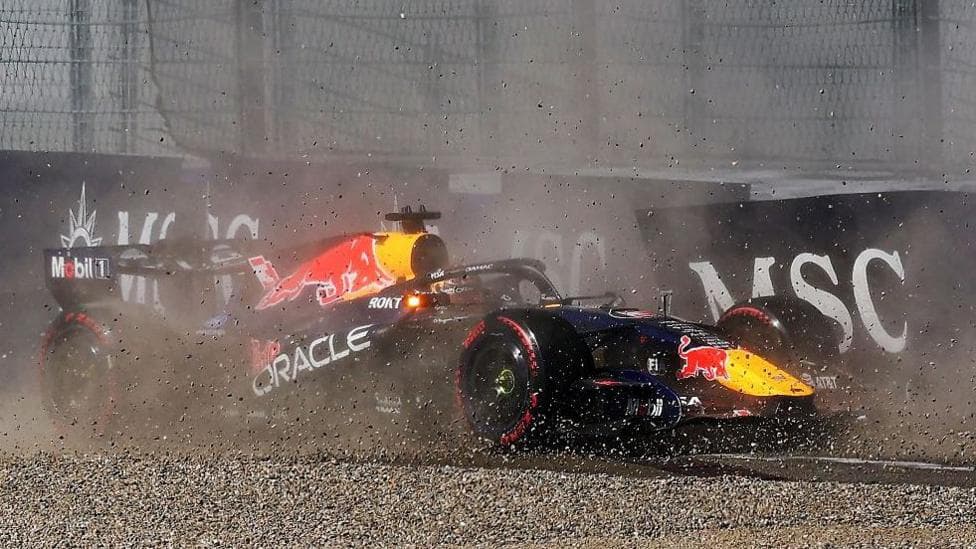
The Milton Keynes outfit is abandoning its experimental aerodynamic setup in favor of a more traditional rear wing configuration heading into the Belgian Grand Prix. The decision comes after Max Verstappen experienced two consecutive high-speed crashes that have prompted the team to reassess its technical direction.
Red Bull Racing has made a significant strategic shift ahead of this weekend's Belgian Grand Prix, opting to shelve its innovative rear wing design in favor of a conventional setup following a pair of concerning incidents involving championship leader Max Verstappen.
The Dutch driver's recent crashes at high velocity have raised questions about the stability and reliability of the team's experimental aerodynamic package. Rather than risk further complications, Red Bull has decided to revert to proven wing technology that should provide greater confidence and consistency during qualifying and race conditions at the challenging Spa-Francorchamps circuit.
This decision reflects a pragmatic approach from the engineering team, prioritizing both driver safety and championship points accumulation. While innovation remains central to Red Bull's competitive philosophy, the immediate priority is to ensure Verstappen can perform at his peak without concerns about the car's aerodynamic behavior at extreme speeds.
The switch represents a temporary measure rather than a permanent abandonment of the experimental design, with engineers expected to analyze the data from recent races to understand precisely what caused the stability issues. Spa's high-speed straights will provide valuable baseline data when running the conventional wing, allowing the team to make informed decisions about future aerodynamic development.
For Verstappen, the change offers an opportunity to reset mentally and refocus on maximizing points in a closely contested championship battle. The straightforward wing configuration should deliver predictable handling characteristics around the Belgian venue, a track where confidence and precision are paramount for success.
Red Bull's willingness to adapt demonstrates the importance of flexibility in Formula 1, where technical innovation must always be balanced against reliability and driver confidence. As the season intensifies, expect further refinements as both Red Bull and its competitors continue to push the boundaries of what's possible within the current technical regulations.