Sabalenka Clarifies Controversial Moment After WTA Finals Loss
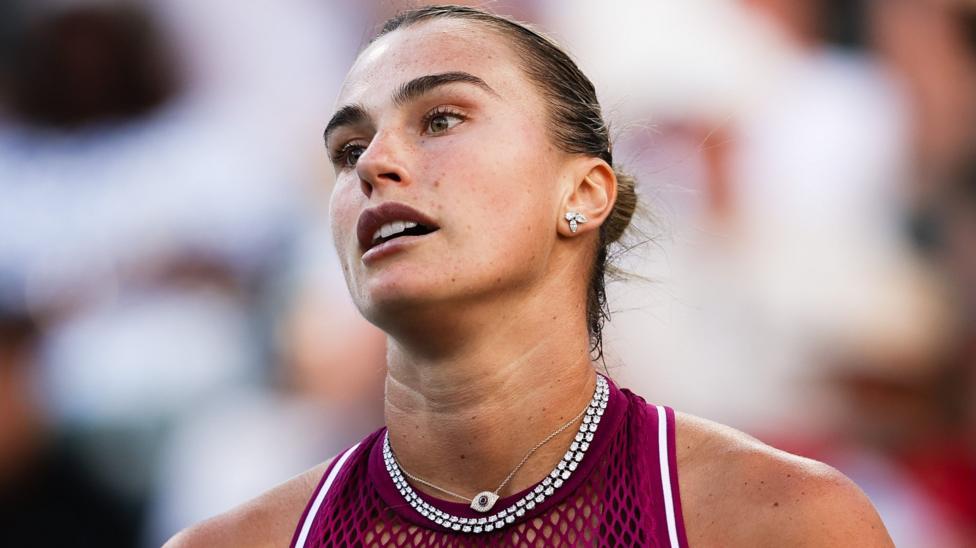
The Belarusian star has moved to clear the air following a social media firestorm over a caught-on-camera outburst during her match against Svitolina. Sabalenka insists her emotional words were not directed at her opponent.
Aryna Sabalenka has issued a statement to address the controversy surrounding her behavior during a recent WTA Finals encounter, after a video clip circulated widely on social media showing the star uttering expletives in her native Russian tongue.
The incident occurred during Sabalenka's loss to Elina Svitolina, with viewers quick to interpret the candid moment as a jab at the Ukrainian competitor. However, the world-ranked player has since pushed back against such interpretations, asserting that her frustrated remarks were self-directed and had nothing to do with Svitolina or their on-court rivalry.
In her response, Sabalenka acknowledged the viral nature of the footage and expressed regret over how her words were received by the public. She explained that competitive tennis at the highest level often produces moments of raw emotion, and that her outburst should be understood within that context rather than misconstrued as disrespectful conduct toward an opponent.
The Belarusian competitor has worked to maintain professional relationships across the tour and emphasized her respect for Svitolina as both a player and rival. Such clarifications have become increasingly important in an era where every courtside reaction is captured and dissected across digital platforms, often stripped of context or intent.
Sabalenka's willingness to address the matter head-on reflects a broader shift in how athletes manage their public image in real time. Rather than allowing speculation to dominate the narrative, she chose to provide her own explanation of events, underscoring her commitment to sportsmanship and positive interactions within the professional circuit.
As the tour moves forward, both players are expected to continue competing at the highest levels of women's tennis. The incident serves as a reminder of the intense pressure and emotions that characterize elite-level competition, where split-second moments can generate significant attention and require thoughtful communication from those involved.