Sabalenka Hopes to Avoid Another Grand Slam Media Boycott
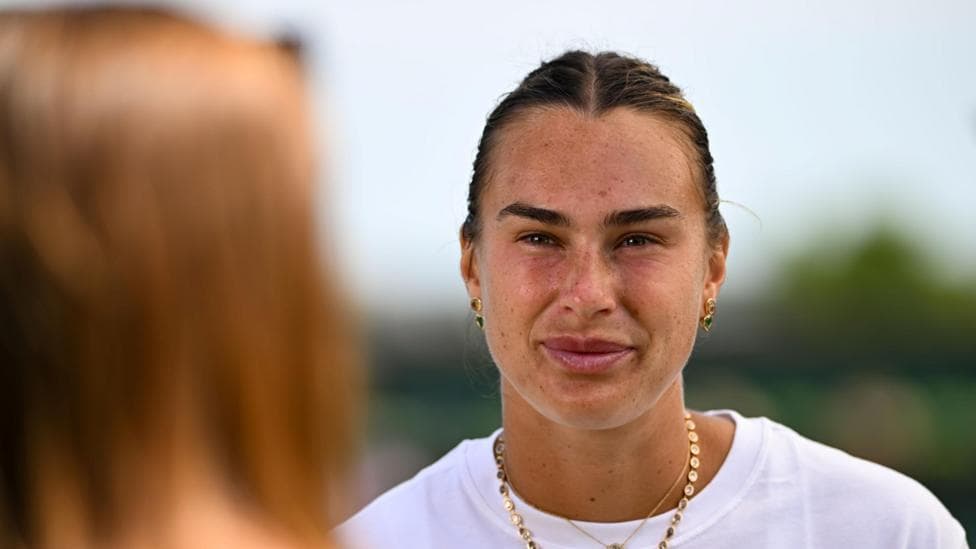
Four-time Grand Slam winner Aryna Sabalenka has expressed optimism that tennis's elite players can resolve prize money disputes without resorting to media boycotts. However, recent comments suggest the professional ranks may already be fracturing over how to tackle compensation concerns.
Aryna Sabalenka has signaled her preference for a negotiated settlement with Grand Slam organizers, expressing hope that the sport's top competitors won't need to stage another coordinated media boycott to secure improved prize purses. The Ukrainian champion's cautiously optimistic outlook comes as tensions simmer over compensation at tennis's most prestigious tournaments.
Sabalenka, who has captured four major titles during her career, acknowledged the frustration many players feel regarding current prize money structures. Yet she suggested that direct dialogue with tournament officials might yield better results than the protest tactics employed previously. The four-time champion's comments indicate a desire to move beyond confrontational strategies that have dominated recent Grand Slam discourse.
Despite Sabalenka's optimism, there are troubling signs that player unity may be deteriorating. Behind-the-scenes comments from various competitors suggest disagreement about strategy and priorities, with some stars questioning whether boycotts represent the most effective negotiating tool. The apparent division raises questions about whether players can maintain the collective leverage necessary to push for meaningful change in prize money allocation.
The compensation debate has intensified following several high-profile boycotts of media obligations, where players refused their customary post-match interviews and press conferences. These actions generated substantial media attention and put pressure on tournament organizers, though results have been mixed in terms of concrete improvements to player payouts.
The core dispute centers on whether current prize money adequately reflects the revenue generated by professional tennis at the sport's highest level. Players argue that Grand Slams and tour events generate billions in broadcasting rights, sponsorships, and ticket sales, yet competitor compensation has not increased proportionally. Tournament organizers, conversely, maintain they operate within complex financial frameworks that balance player compensation with operational costs and investment priorities.
As the professional tennis calendar heads toward its next major championship, all eyes are on whether players can present a unified front in negotiations or whether internal disagreements will undermine their collective bargaining position. Sabalenka's remarks suggest that at least some leading competitors are exploring alternative resolution paths, though whether such diplomacy can satisfy the broader player base remains uncertain.


