Safety Car Controversy Clouds Dramatic British GP Finale
The deployment of the safety car proved pivotal in determining the outcome of a tumultuous race at Silverstone, leaving fans and analysts debating whether the rules-compliant finish was truly satisfying. While officials followed protocol to the letter, questions linger about whether the procedure best served the sport's competitive spirit.
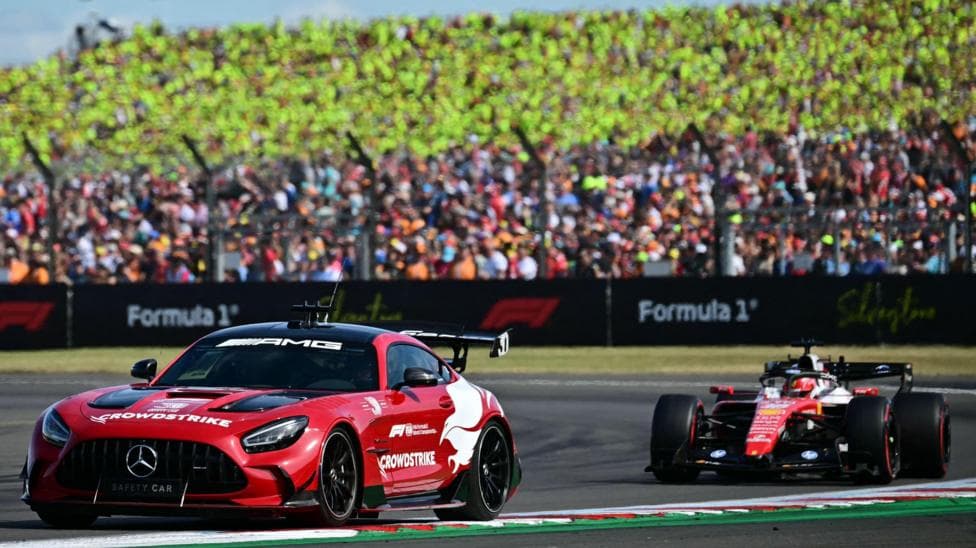
The British Grand Prix delivered the theatrical chaos fans have come to expect from Formula 1's showpiece event, yet it was the intervention of the safety car that ultimately decided the winner's crown. In what proved to be a deeply controversial conclusion, the virtual yellow flag remained deployed through the final laps, fundamentally altering the complexion of a race that had already been defined by drama and unpredictability.
Throughout the afternoon, multiple incidents and dramatic moments kept spectators on edge as drivers battled for supremacy on the demanding Silverstone circuit. The race appeared destined for a thrilling final act, with the potential for last-lap heroics and overtaking maneuvers that make Formula 1 captivating. However, when the safety car took to the track late in proceedings, it froze the action and prevented the kind of climactic showdown that had seemed inevitable just moments earlier.
The decision to keep the safety car deployed until the chequered flag drew immediate criticism from those who felt it robbed the spectacle of a proper conclusion. In previous seasons, similar situations have sparked heated debate about whether rule enforcement truly aligns with the entertainment value the sport promises. Yet this time, officials maintained strict adherence to the regulations as written, leaving no room for interpretation or discretion.
From a technical standpoint, the safety car protocol was executed flawlessly. The stewards made no procedural errors, and the rulebook was interpreted correctly. For those who prioritize consistency and the absolute letter of the law, the outcome was beyond reproach. The winning driver crossed the line having earned their victory under the exact same regulations that govern every Grand Prix.
Nevertheless, the broader question remains whether Formula 1's rulebook optimally serves the sport's fundamental purpose: delivering compelling racing that captures the imagination. While safety must remain paramount, and regulations provide essential structure, Sunday's finish highlighted a persistent tension between administrative precision and sporting theater.
As the paddock moves forward from Silverstone, conversations will undoubtedly continue about how to balance these competing interests. The drivers, teams, and fans deserve a sport that prioritizes both safety and spectacle. Until the regulatory framework can satisfy both demands simultaneously, contentious finishes will likely continue to dominate headlines long after the checkered flag falls.