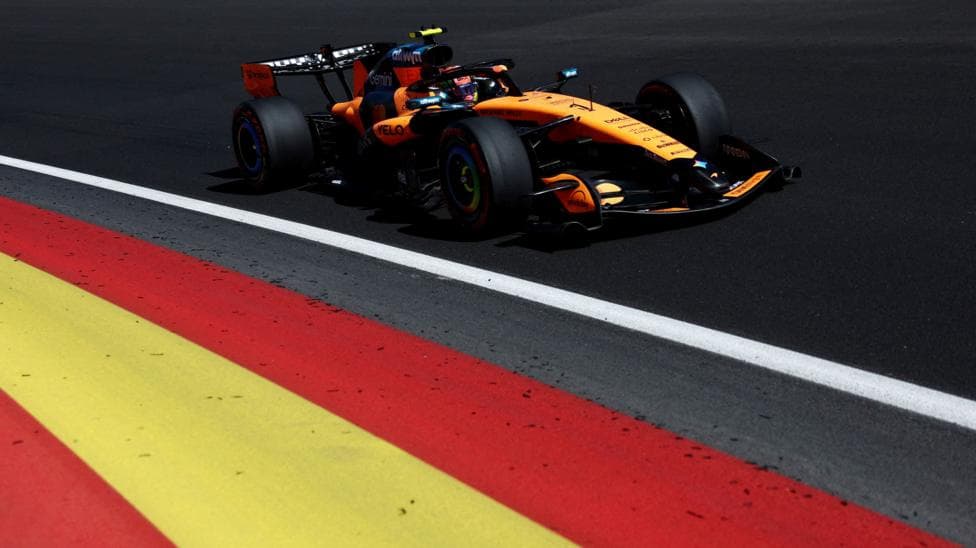
Safety Car Controversy Mars British GP Finale
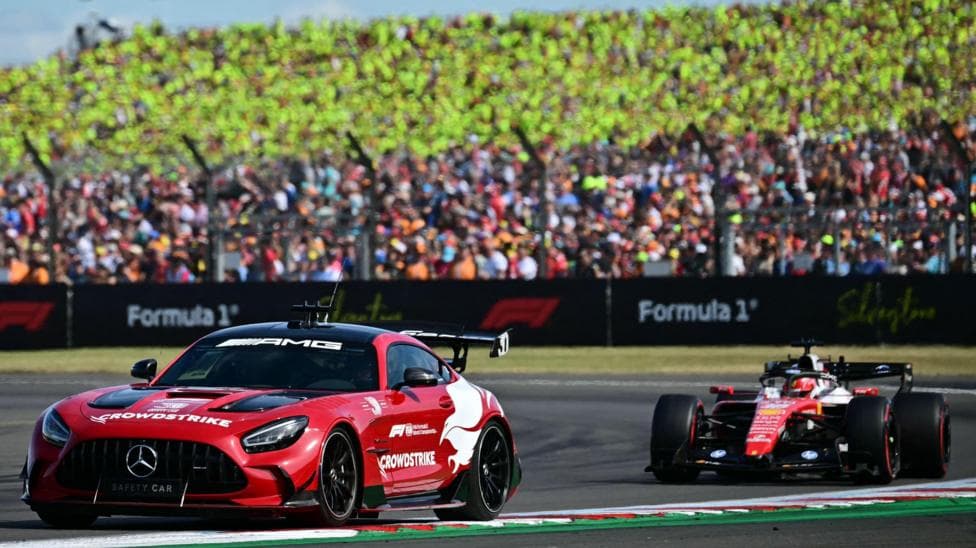
The deployment of the safety car proved instrumental in determining the outcome of a wild British Grand Prix, though the unconventional finish left many questioning the spectacle of modern Formula 1 racing. While officials adhered strictly to protocol this time around, the reliance on neutralization procedures to settle high-stakes contests continues to spark debate.
The British Grand Prix delivered the chaos fans have come to expect from Silverstone, yet it was the application of safety car regulations—rather than pure racing prowess—that ultimately decided the victor. The decision to keep the safety car deployed through the final laps created an anticlimactic conclusion to what had been a thrilling afternoon of wheel-to-wheel competition.
Unlike previous controversies that have plagued Formula 1's most dramatic moments, race control followed the established rulebook to the letter on this occasion. The adherence to procedure may have satisfied regulatory compliance, but it did little to silence questions about whether modern racing has become too dependent on administrative interventions. When the sport's most consequential results are determined by safety protocols rather than on-track excellence, it inevitably raises concerns about competitive integrity and entertainment value.
The tumultuous nature of Sunday's race—marked by multiple incidents and near-misses—necessitated several cautions that fragmented the competition into distinct phases. Each interruption reset the field's hierarchy, preventing any driver from establishing clear dominance and building genuine momentum toward the checkered flag. This stop-start pattern, while exciting in spurts, undermined the narrative arc that typically defines memorable Grand Prix victories.
The debate surrounding safety car finishes has intensified in recent seasons, with fans and analysts divided on whether alternative procedures should be explored. Some argue that allowing one final lap of racing under green flag conditions provides proper closure, while others contend that safety must always remain paramount, even if it means settling matters under neutralization. The philosophical conflict between competitive resolution and driver safety shows no signs of resolution.
For the victor at Silverstone, the triumph will carry the asterisk that now accompanies many Formula 1 victories—a championship point secured not through the ultimate test of racing skill, but through strategic positioning when the safety car was deployed. While this outcome adheres to the rulebook, it exemplifies an ongoing tension in Formula 1 between regulatory consistency and the pursuit of racing purity that fans expect from sport's highest level.