Should Ferrari Establish Clear Team Strategies? F1 Insights
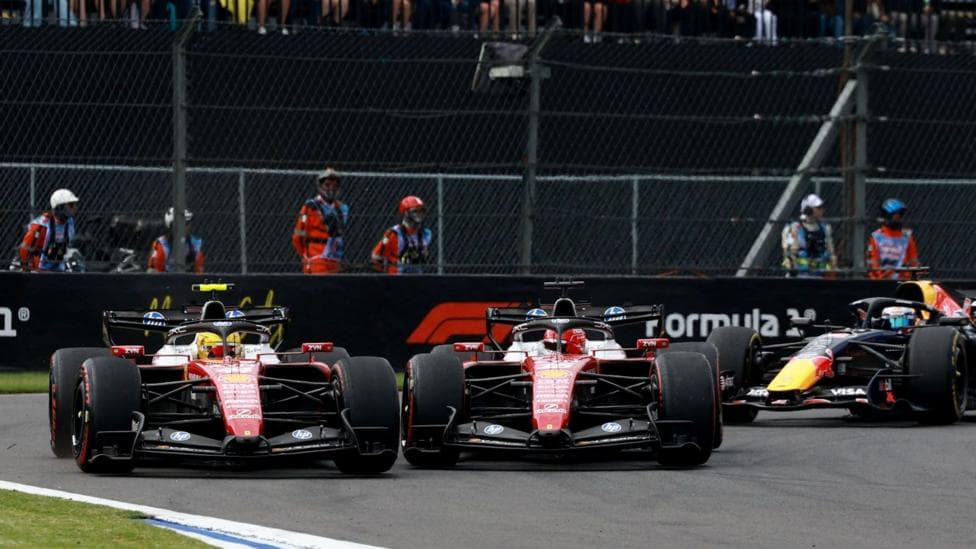
Following the Mexico City Grand Prix, key questions emerge about Ferrari's operational approach and decision-making processes. Our Formula 1 analyst addresses fan inquiries about the Scuderia's path forward this season.
The Mexico City Grand Prix has sparked considerable debate among Formula 1 enthusiasts, particularly regarding Ferrari's tactical framework and team management. Our motorsport correspondent tackles the most pressing questions from viewers seeking clarity on the Italian outfit's performance and strategic direction heading into the remainder of the season.
One recurring theme in viewer inquiries concerns whether Ferrari would benefit from more structured internal protocols. The team has faced scrutiny in recent campaigns over perceived inconsistencies in driver support and strategic calls during critical moments. Establishing clearer guidelines—from pit-wall communications to championship-deciding scenarios—could potentially eliminate ambiguity and strengthen overall performance. Such frameworks have proven effective for rival organizations that operate with military-like precision during races.
Another topic generating considerable discussion involves driver dynamics within the Ferrari camp. Managing two competitive drivers requires delicate balance; favoring one while maintaining morale and commitment from both remains perpetually challenging. The squad's recent performances suggest that clarifying expectations and roles could provide stability, particularly during championship-deciding phases when emotions run highest and split-second decisions carry enormous consequences.
Strategy implementation also came under examination following Mexico City. Modern Formula 1 demands rapid-fire decision-making informed by real-time data, weather analysis, and competitor movements. Ferrari possesses the technological infrastructure for sophisticated planning, yet execution sometimes appears reactive rather than proactive. Developing predetermined response protocols for common race scenarios—tire degradation patterns, safety car deployments, and weather variations—could transform how effectively the team capitalizes on opportunities.
Looking forward, Ferrari faces an opportunity to refine its organizational culture without abandoning the passionate intensity that defines the brand. Legendary teams operate with both emotional commitment and clinical precision. The Scuderia's championship aspirations demand nothing less than establishing comprehensive operating procedures that empower decision-makers while maintaining the flexibility essential in Formula 1's unpredictable environment.
As the season progresses, how Ferrari responds to these questions about structure and consistency may ultimately determine whether the squad can challenge for titles convincingly. The talent clearly exists; whether the framework maximizes that talent remains the essential question facing Maranello.