Svitolina Opens Up: Ukraine Crisis Impact on Marriage
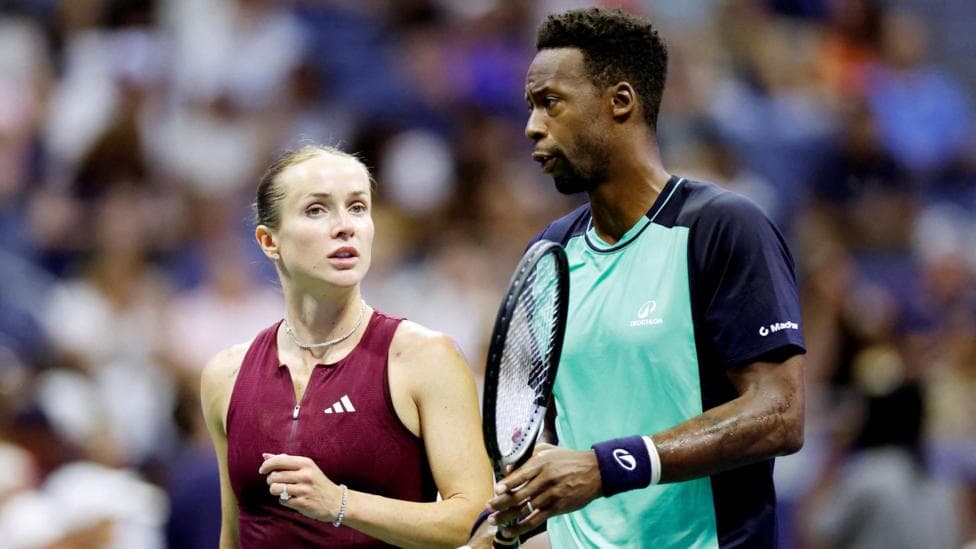
Tennis star Elina Svitolina has revealed how the psychological strain of her homeland's conflict contributed to the breakdown of her marriage with fellow pro Gael Monfils. The couple, who wed in 2021 and share a child, have decided to part ways.
In a candid discussion about her personal life, Ukrainian tennis champion Elina Svitolina has attributed the mental and emotional challenges stemming from Russia's invasion of Ukraine as a significant factor in her separation from French tennis star Gael Monfils. The revelation provides insight into how global crises can reverberate through the personal relationships of elite athletes competing on the world stage.
Svitolina and Monfils, both ranked among the sport's elite competitors, united in matrimony during 2021 at the height of their respective careers. The union produced one child, making their split a matter of considerable interest within the professional tennis community and among their international fanbase.
The psychological burden of maintaining focus on professional athletics while one's country faces an active military conflict presents extraordinary challenges that most athletes never encounter. For Svitolina, whose native Ukraine has been thrust into unprecedented turmoil, the weight of such circumstances has been profound. Balancing tournament schedules, training regimens, and family responsibilities while processing anxiety about loved ones and national stability created an unsustainable emotional environment.
Throughout 2022 and into 2023, Svitolina became an outspoken advocate for her nation, using her platform to raise awareness and funds for humanitarian efforts. Her activism, while admirable, added another layer of emotional complexity to an already demanding professional schedule and family dynamic.
The separation underscores a broader reality facing athletes with deep ties to conflict-affected regions. Unlike competitors from stable nations, those with connections to war zones face the additional psychological toll of geographic separation anxiety and survivor's guilt. For Monfils, supporting a partner managing such extraordinary external stressors while attempting to maintain marital harmony proved insurmountable.
As both players continue their careers moving forward, the dissolution of their partnership serves as a sobering reminder of how geopolitical events extend far beyond headlines and casualty figures, directly impacting the personal lives of those connected to affected regions. Svitolina's willingness to discuss this painful chapter demonstrates the human dimensions of global conflict often overshadowed by sports coverage.