The Mourinho That Got Away: Inside United's Failed Pursuit
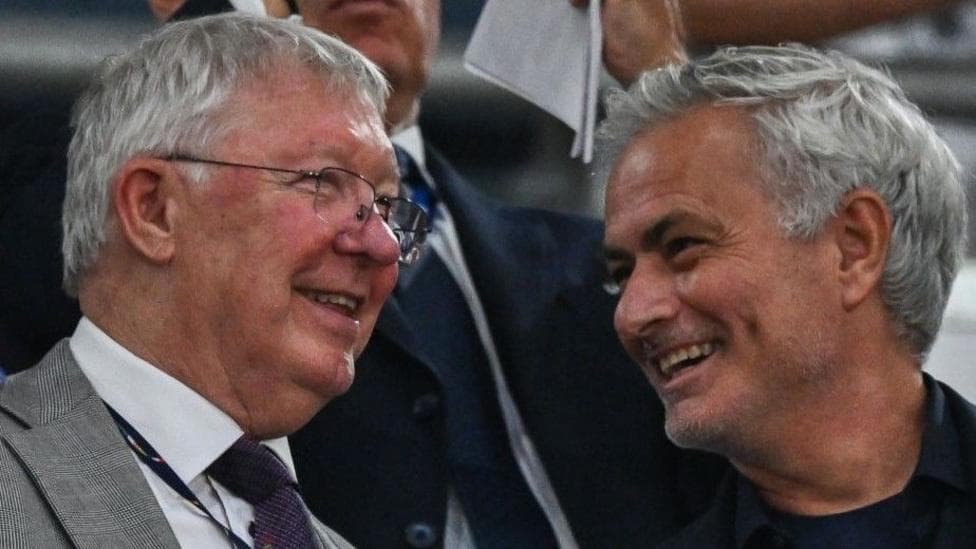
Manchester United's quest to secure Jose Mourinho as Sir Alex Ferguson's successor came tantalizingly close before collapsing. This is the untold account of how the Special One's initial interest turned into rejection—and how that decision altered the club's trajectory.
When Sir Alex Ferguson announced his retirement in 2013, Manchester United faced an unprecedented challenge: finding a manager capable of filling the shoes of a legend. The search ultimately led the Red Devils to Jose Mourinho, whose trophy-laden CV and commanding presence seemed like the natural fit for Old Trafford's vacant throne. What followed was a delicate negotiation that promised to reshape English football's power structure.
Behind closed doors at United's headquarters, optimism prevailed. Mourinho, then managing Real Madrid at the height of his powers, appeared amenable to the proposition. Club executives believed they had their man. The Portuguese tactician had achieved remarkable success across multiple leagues and possessed the winning mentality United desperately sought. For a brief window, it seemed inevitable that he would become Ferguson's successor, continuing the club's dominance into a new era.
However, circumstances shifted dramatically. Mourinho's initial acceptance transformed into reluctance, ultimately culminating in an outright refusal. The reasons were multifaceted—concerns about the reconstruction required, uncertainty regarding the club's direction, and perhaps the allure of other opportunities. What had appeared to be a done deal evaporated, leaving United's hierarchy scrambling to pivot their strategy.
The ramifications of this failed courtship reverberated throughout the following years. Instead of Mourinho's stewardship, United appointed David Moyes, whose tenure proved disastrous. The club subsequently cycled through several managers, experiencing an unprecedented period of instability and underachievement. Meanwhile, Mourinho went on to secure additional silverware at Chelsea, demonstrating the caliber of talent that slipped through United's fingers.
Looking back, this moment represents a genuine crossroads in Manchester United's modern history. The Special One's rejection set in motion a chain of consequences that extended well beyond a single managerial appointment. It serves as a reminder that in elite football, timing, circumstances, and individual decisions can fundamentally alter a club's trajectory. For United supporters, it remains one of the great what-ifs of recent memory—a tantalizing glimpse at a path not taken.