United's Debt Burden Exceeds £1bn Despite Ratcliffe Cost Cuts
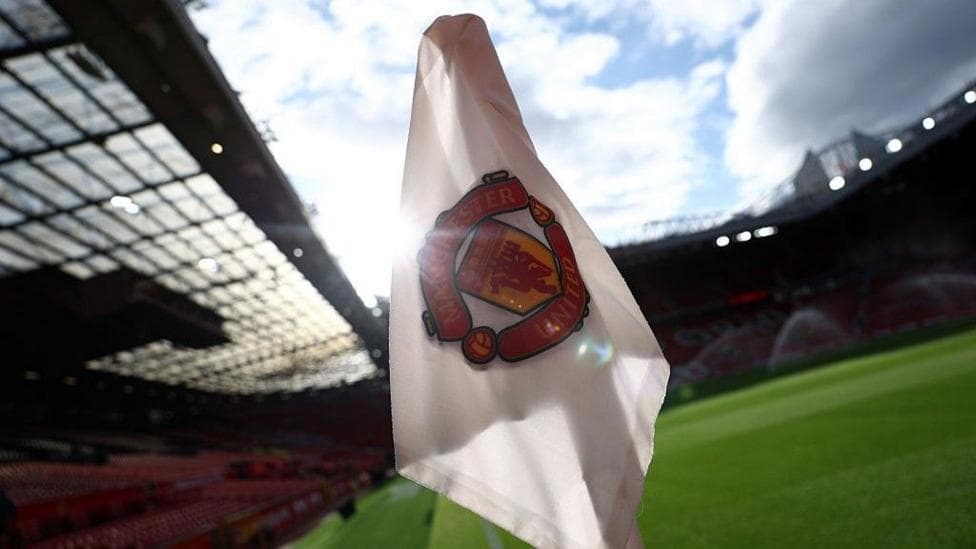
Manchester United continues to carry substantial financial liabilities exceeding the £1 billion mark, even as ownership has implemented aggressive spending controls. The club has simultaneously committed £63.5 million toward acquiring land for a proposed new stadium development.
Manchester United's financial position remains challenging despite new ownership's stringent cost management strategy. The Red Devils' total debt has stayed stubbornly above the £1 billion threshold, painting a complex picture of the club's balance sheet as Sir Jim Ratcliffe's regime attempts to stabilize the organization's troubled finances.
The Old Trafford side has been candid about its spending on infrastructure, recently revealing that £63.5 million has been allocated toward land acquisition for an anticipated stadium project. This significant outlay underscores management's commitment to modernizing the club's aging facilities while simultaneously grappling with inherited financial obligations. The investment represents a critical component of long-term planning, even as the club manages substantial existing liabilities.
Ratcliffe's arrival at United was preceded by considerable optimism regarding financial restructuring and operational efficiency improvements. However, the persistence of nine-figure debt levels suggests that resolving the club's fiscal challenges will require sustained effort over multiple seasons. The ownership group has implemented various cost-reduction initiatives across the organization, yet these measures have thus far proven insufficient to meaningfully diminish the overall debt position.
The balance between managing current financial obligations and investing in future infrastructure represents one of United's most pressing strategic challenges. While the proposed stadium renovation or relocation project symbolizes ambition and forward-thinking planning, it also demands careful capital allocation at a time when the club is working to strengthen its financial foundation. Stakeholders will be watching closely to assess whether management can simultaneously address legacy debt while funding critical infrastructure developments.
United's financial trajectory will likely remain a focal point for supporters and analysts alike throughout this transitional period. The club's ability to generate increased revenue through on-field success, commercial partnerships, and operational efficiency will prove crucial in working toward a healthier financial future. As the organization navigates both its present constraints and future aspirations, the next several years will prove instrumental in determining whether current strategies can ultimately reverse course on the substantial debt burden.