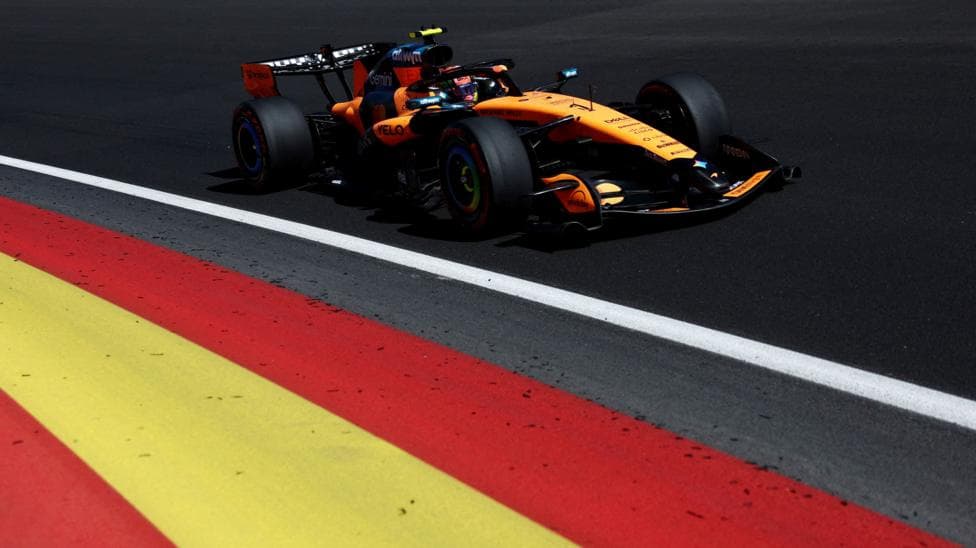
What the 2026 F1 Campaign Teaches Us at the Midpoint
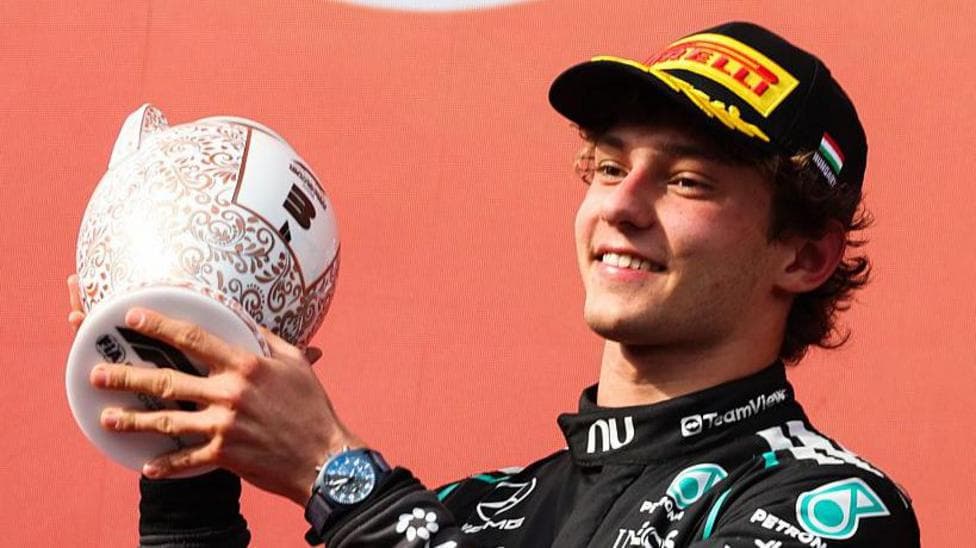
As Formula 1 reaches the halfway mark of its 2026 season, several compelling narratives have emerged that reshape our understanding of the championship battle. We examine the five most significant takeaways from an unpredictable first half.
The 2026 Formula 1 season has delivered no shortage of surprises through its opening rounds, providing valuable insights into how the championship landscape has evolved. With half the season now complete, patterns have begun to crystallize, revealing deeper truths about team performance, driver adaptation, and the technical regulations that govern modern Grand Prix racing.
First and foremost, the competitive balance across the grid has fundamentally shifted compared to previous years. Several teams have made dramatic strides in development, while others have struggled to find performance consistency. This parity has made predictability nearly impossible, forcing analysts and fans alike to reconsider conventional wisdom about which teams possess genuine championship credentials. The midfield battle has proven equally compelling, with multiple outfits capable of securing podium finishes on any given weekend.
Driver performance has also presented intriguing storylines. Established veterans have faced unexpected challenges adapting to the evolving car characteristics, while some younger competitors have demonstrated remarkable maturity when handling pressure situations. The mental resilience required to maintain focus across a grueling campaign has separated the accomplished from the merely capable, with several drivers exceeding pre-season expectations through sheer determination and tactical acumen.
The technical regulations have produced fascinating consequences that engineers are still fully grasping. Design philosophies that appeared promising during winter testing have encountered real-world complications, forcing teams to pursue alternative development paths. This learning curve has been uneven across different organizations, with some quickly identifying solutions while others remain locked in trial-and-error cycles that cost them valuable championship points.
Weather's impact on racing outcomes cannot be understated either. Variable conditions have proved decisive throughout the season, rewarding flexibility and exposing weaknesses in setups optimized for specific scenarios. Teams with adaptable strategies and drivers comfortable operating outside their comfort zones have consistently emerged victorious when conditions shifted unexpectedly.
Finally, the strategic element of pit stops, tire management, and race craft has regained prominence as a decisive factor. Raw pace alone no longer guarantees success; teams must execute flawlessly under pressure while drivers demonstrate exceptional judgment in wheel-to-wheel combat. These midseason observations suggest the championship picture will remain remarkably fluid heading into the second half, promising continued drama and unpredictability.