Your Complete Guide to How the NBA Actually Works
As the 2026-27 campaign tips off this week, here's everything you need to know about how basketball's premier league operates. From regular season play to playoff structure, we break down the essentials for fans new and old.
The NBA season is upon us, and whether you're a seasoned fan or just getting into professional basketball, understanding how the league functions can significantly enhance your viewing experience. With the 2026-27 season launching this Tuesday, now is the perfect time to familiarize yourself with the league's fundamental structure and mechanics.
At its core, the NBA consists of 30 teams divided equally between two conferences: the Eastern Conference and the Western Conference. Each conference is further subdivided into three divisions, creating a balanced competitive framework that determines playoff seeding and scheduling. During the regular season, which typically spans from October through April, each team plays 82 games—a grueling schedule that tests both physical endurance and mental resilience. Teams face conference rivals multiple times throughout the season, while also traveling across the country to challenge opponents from the opposite conference.
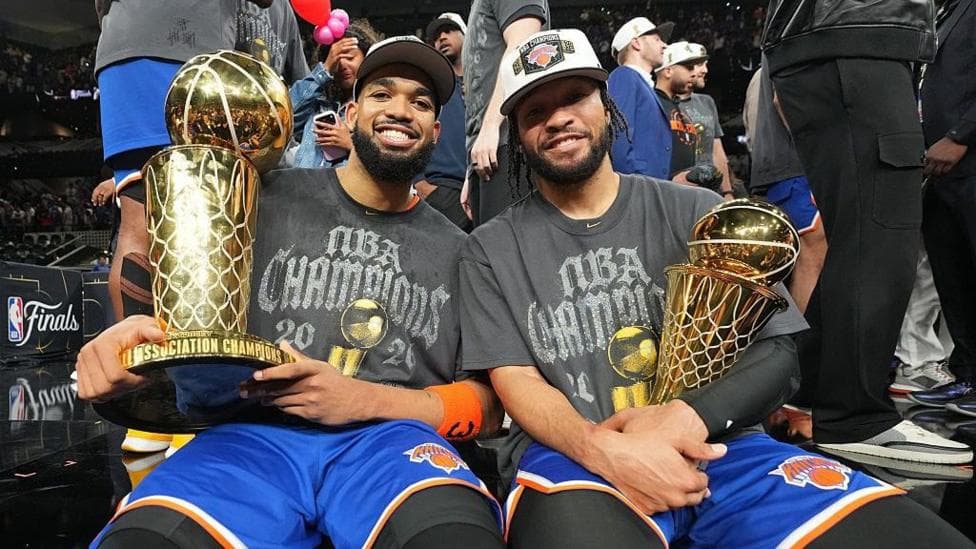
The regular season culminates in a playoff tournament that determines the league champion. The top eight teams from each conference advance to the postseason, competing in a best-of-seven series format. These playoffs are structured as a bracket-style tournament, where matchups progress through four consecutive rounds: the first round, conference semifinals, conference finals, and ultimately the NBA Finals. The Finals features the champions from each conference battling for basketball supremacy, with the winner claiming the Larry O'Brien Championship Trophy.
Beyond the regular season and playoffs, the NBA also features several notable events that showcase individual talent and provide entertainment value. The All-Star Game, held in February, brings together the league's most dynamic players for an exhibition matchup. Additionally, the Draft gives teams the opportunity to select young talent, while the Trade Deadline in February creates opportunities for roster adjustments as teams position themselves for playoff success.
Understanding these components—the conference structure, the regular season format, and the playoff system—gives viewers crucial context for appreciating the drama that unfolds from autumn through spring. Each game carries weight, whether it's early-season positioning or must-win playoff contests. As this season gets underway, you'll find that familiarity with the league's format enriches every matchup you watch.