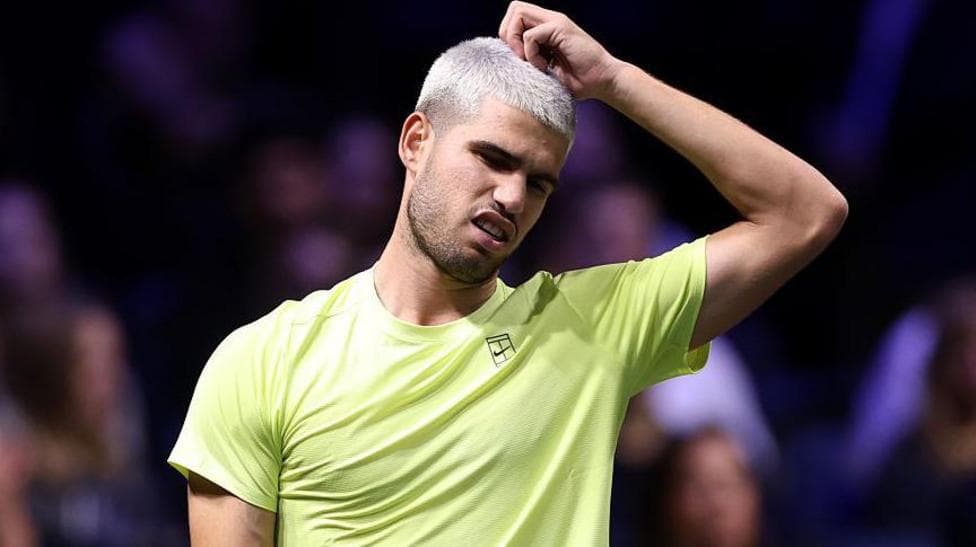
Nearly Four Months Out: The Real Cost of Alcaraz's Wrist Setback
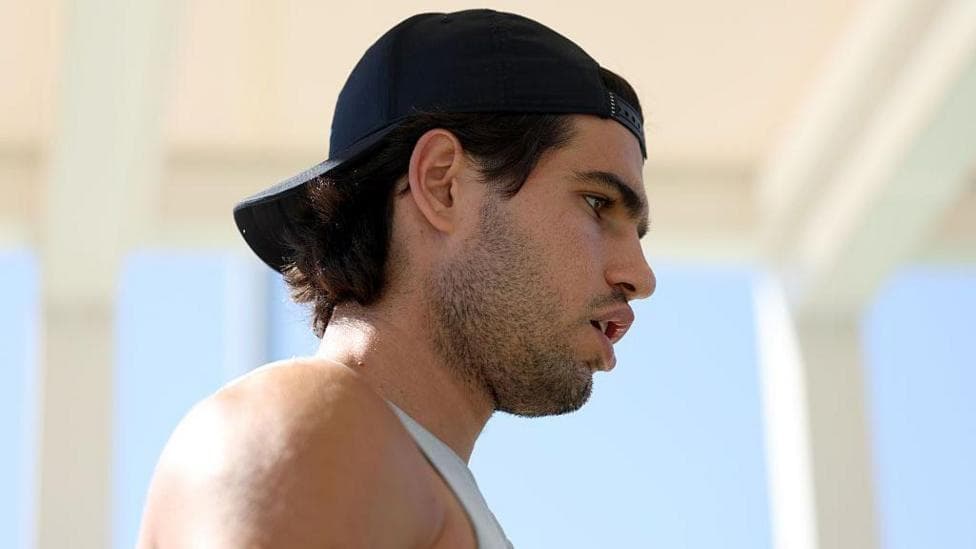
Carlos Alcaraz's extended hiatus from professional tennis has raised serious questions about the severity of his wrist condition. Experts weigh in on why such injuries pose unique challenges for elite athletes and what his prolonged absence might mean for his season.
Carlos Alcaraz's absence from competitive tennis has now stretched beyond the four-month mark, prompting widespread speculation about the true nature and gravity of his wrist injury. The Spanish sensation, who has dominated men's tennis in recent years, continues his recovery away from the court, leaving fans and analysts alike wondering about the timeline for his return and the potential long-term implications.
Wrist injuries represent a particularly vexing challenge for professional tennis players, combining the physical demands of the sport with the anatomical complexity of the joint itself. Unlike some injuries that respond predictably to rest and rehabilitation, wrist problems often require a delicate balancing act. The constant rotational forces, explosive serving motions, and rapid directional changes inherent to tennis place extraordinary stress on this crucial area, making rushed comebacks exceptionally risky.
Medical professionals specializing in sports injuries emphasize that the wrist's intricate network of bones, ligaments, and tendons means that recovery cannot be rushed. Even minor structural damage can have cascading effects on an athlete's performance, creating a frustrating cycle where premature return to play risks re-injury or chronic complications. For a competitor of Alcaraz's caliber, where millisecond-level precision determines match outcomes, any lingering weakness becomes a significant disadvantage.
The extended layoff raises important questions about the broader calendar and scheduling that professional tennis imposes on its athletes. With tournaments stacked throughout the year and the pressure to accumulate rankings points, players face immense psychological pressure to return before they're truly ready. Alcaraz's decision to remain sidelined suggests either the severity of his condition or a deliberate choice to prioritize long-term health over short-term competitive concerns.
His team's cautious approach may ultimately prove prudent. History demonstrates that athletes who attempt comebacks before wrist injuries have fully healed often struggle with recurring problems that plague their careers for years. For someone of Alcaraz's potential and youth, investing the necessary time now could preserve his trajectory and prevent a pattern of re-injury that might otherwise undermine his career.
As the tennis world awaits news of his recovery, one thing remains clear: there are no shortcuts to managing wrist injuries at the elite level. When Alcaraz eventually returns, both he and the sport will have a clearer picture of whether his layoff represents a brief interruption or a watershed moment in his career trajectory.