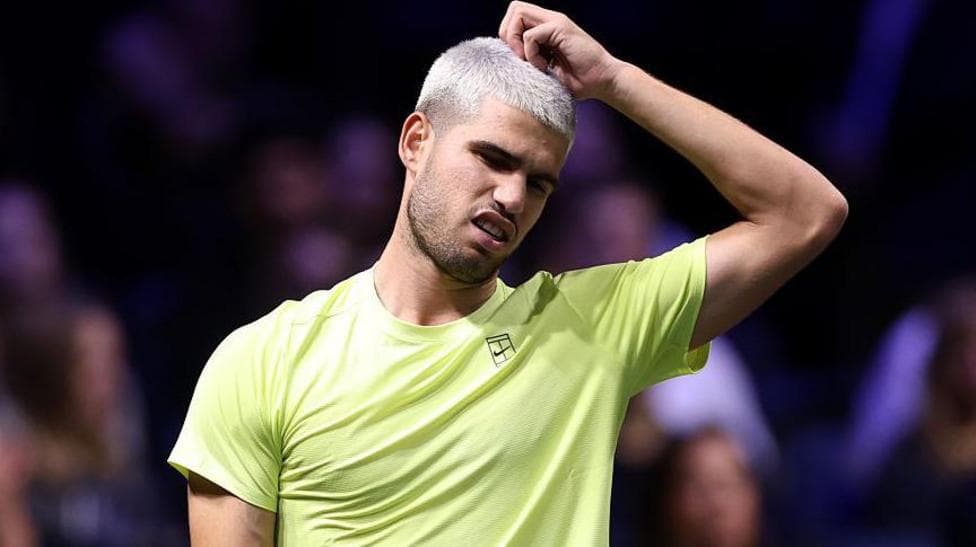
The Wrist Conundrum: Can Alcaraz Return to Form?
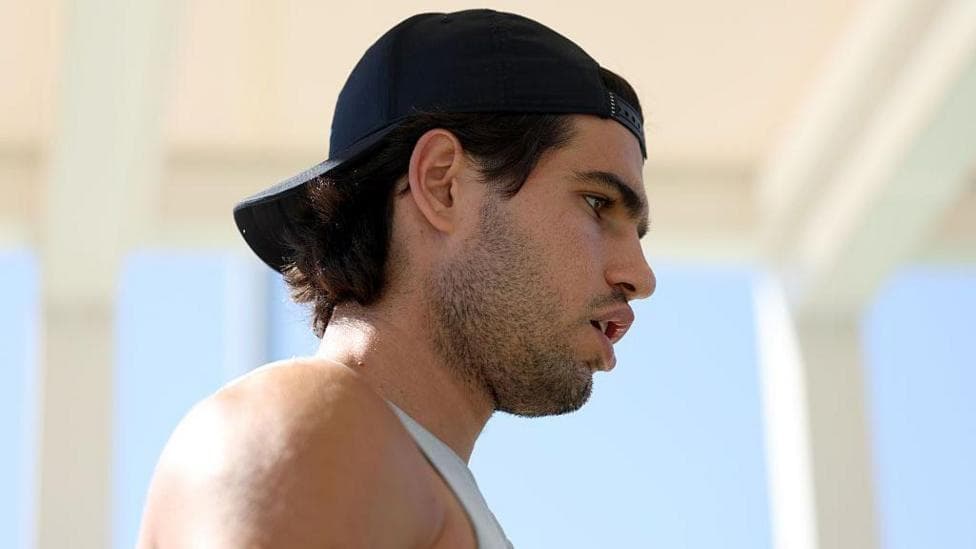
Tennis star Carlos Alcaraz has been sidelined for over four months due to a wrist injury that continues to perplex medical teams and fans alike. BBC Sport examines the complexities of wrist injuries in professional tennis and what recovery could mean for the world's elite players.
The absence of Carlos Alcaraz from competitive tennis has now stretched beyond 114 days, raising serious questions about the severity of his wrist injury and the timeline for his comeback. The Spanish sensation, who has dominated recent seasons with his explosive play and relentless court coverage, has been conspicuously absent from the tournament circuit, casting uncertainty over his participation in upcoming events.
Wrist injuries represent a particularly vexing challenge in professional tennis, where explosive serves, rapid racket acceleration, and repetitive forehand and backhand motions place extraordinary demands on the joint. Unlike injuries to larger muscle groups that can sometimes be managed through modified training, wrist complications often require extended rest periods and meticulous rehabilitation protocols. The wrist's intricate network of bones, ligaments, and tendons means that even minor damage can have cascading effects on a player's performance and confidence.
For a player of Alcaraz's caliber, the injury layoff presents a unique predicament. His game relies heavily on aggressive baseline play and explosive shot-making—techniques that demand perfect wrist stability and coordination. Rushing a premature return risks re-injury or developing compensatory movement patterns that could compromise his technical excellence. Conversely, extended absence allows competitors to narrow the gap and potentially alters the competitive landscape of professional tennis.
Medical experts emphasize that wrist injuries in tennis cannot be treated with a one-size-fits-all approach. The specific nature of Alcaraz's injury—whether affecting ligaments, cartilage, or bone—will determine recovery duration and rehabilitation intensity. Professional tennis players face the additional pressure of balancing adequate healing time with the demands of ranking maintenance and tournament schedules.
The broader implications of Alcaraz's absence extend beyond his individual season. His presence at major tournaments significantly impacts competition dynamics and viewer interest. His peers have seized the opportunity to consolidate rankings, while younger players push for breakthrough moments in his absence.
As Alcaraz remains on the sidelines, the tennis world watches closely for signs of progress. His eventual return will undoubtedly be one of the year's most significant storylines, carrying implications not just for his career trajectory but for the sport's competitive balance moving forward.