Unpredictable Men's Draw Keeps US Open Wide Open
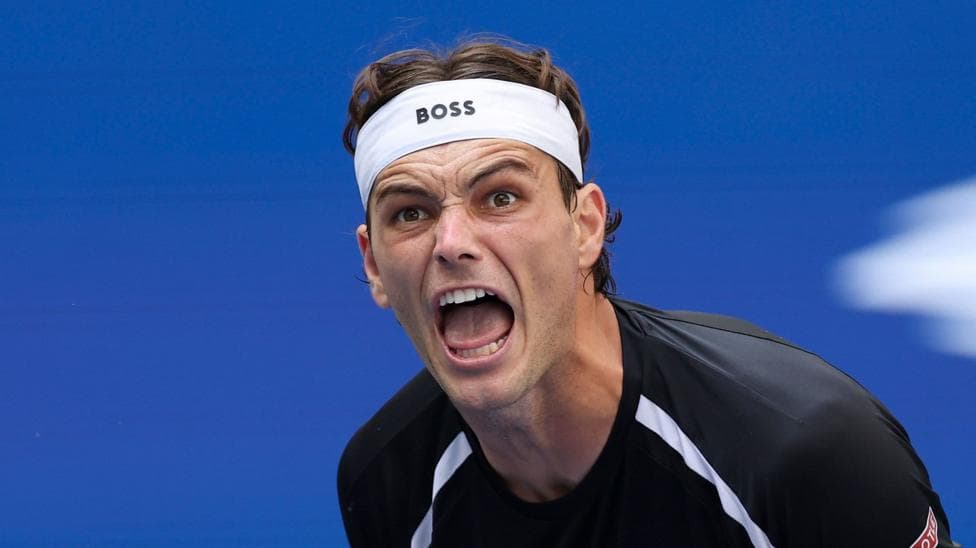
The men's competition at the US Open has been marked by unexpected upsets and surprising eliminations, creating a dramatically different narrative than the women's tournament. Despite the chaos, the door remains open for multiple contenders to claim the title.
The men's draw at this year's US Open has been nothing short of tumultuous, with top seeds falling and conventional wisdom repeatedly turned on its head. In stark contrast to the women's side of the draw, which has played out with relative predictability, the men's competition has been characterized by shock losses and dramatic collapses that have kept observers guessing at every turn.
Several high-ranking competitors have found themselves eliminated earlier than anticipated, unable to withstand the pressure and intensity required to navigate the tournament's grueling demands. The unpredictability has underscored a fundamental truth about professional sports: even the world's best athletes are human beings subject to off days, tactical miscalculations, and the occasional mental lapse. As one insider put it, these competitors are anything but robotic performers—they're susceptible to the same pressures and setbacks as any athlete.
This volatility stands in sharp contrast to the women's tournament, which has largely proceeded along more expected lines. The steadier progression on the women's side has allowed for clearer narratives and more predictable matchups, while the men's bracket has remained genuinely wide open entering the latter stages.
The chaotic nature of the men's competition, while frustrating for those seeking clear favorites, has created genuine intrigue about who will ultimately prevail. Multiple players remain viable candidates for the championship, each carrying legitimate credentials and pathways to the title. This level of uncertainty hasn't eliminated any realistic contender from consideration—instead, it's expanded the possibilities.
What emerges from this tumultuous tournament is a reminder that excellence in sports exists on a spectrum, not as an absolute constant. Players who dominated their previous matches can stumble unexpectedly; underdogs can rise to the occasion. The physical and mental toll of a Grand Slam event levels the playing field in unexpected ways, where momentum, draw placement, and intangible factors can prove as decisive as raw talent.
As the tournament progresses toward its conclusion, the unpredictability that has defined the men's competition ensures that every match matters and few outcomes can be taken for granted. Whether this volatility ultimately produces a deserving champion or an unexpected Cinderella story remains to be seen.